Monthly Sustainability Insights
January 2026 - Water Scarcity & Conservation
-
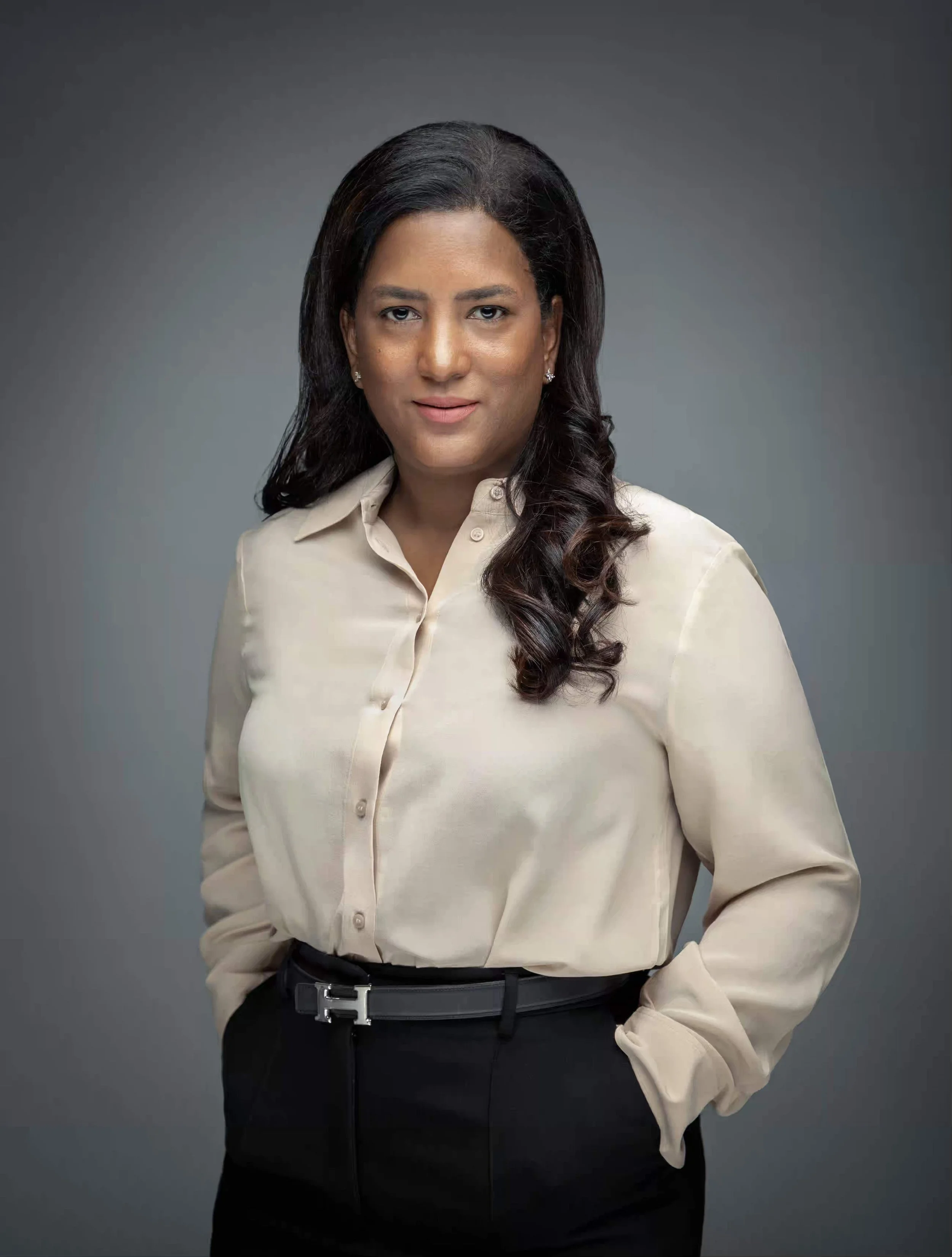
![Maritza Carlsson Rivera]()
Maritza Carlsson Rivera
Partner at eolos, ESG & Sustainability Expert, UAE
“Water scarcity is best addressed by using water more wisely rather than simply trying to find new sources. Large losses from leaking infrastructure, inefficient irrigation, and poor coordination between sectors mean that precious water is often wasted before it reaches people or crops. Solutions already exist: fixing aging pipes, using smart meters, improving water pricing, and expanding safe water reuse can reduce demand while protecting basic access. In agriculture, tools such as drip irrigation, climate-appropriate crops, healthy soil practices, and treated wastewater deliver major savings. At the same time, cooperation between governments and businesses, clear regulation, and cross-border collaboration are essential to manage shared resources.”
-
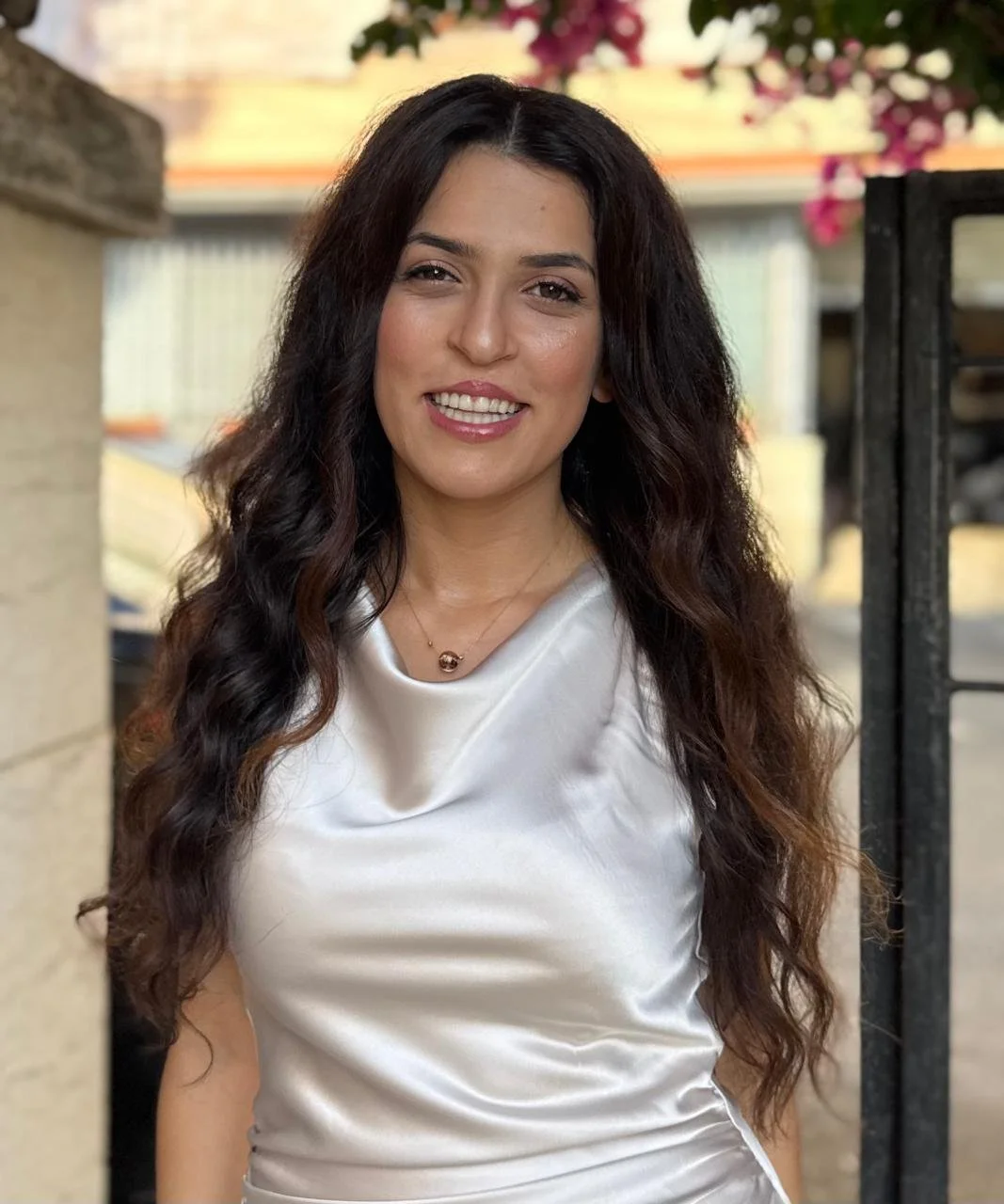
![Rania Bou Said]()
Rania Bou Said
Water & Urban Climate Resilience Specialist (Adaptation and Mitigation) | LEED Green Associate
“Innovative agricultural and urban water solutions show that efficiency comes from using water smarter, not simply using less. In agriculture, the biggest gains come from precision irrigation, soil-health practices, and nature-based solutions that match water use to crop needs, soil conditions, and growth stages, supported by simple, actionable data for farmers. In arid Middle Eastern climates, combining crop-specific technologies such as hydroponics, drip irrigation, and smart sensors with soil-based water retention significantly reduces demand while protecting yields. For cities, smart water management requires system-level planning: reducing losses, reusing non-conventional water, designing fit-for-purpose infrastructure, and influencing user behaviour through data and incentives.”
-
![Liane Thompson]()
Liane Thompson
CEO Aquaai Corporation, USA/Norway/UAE
“The most effective strategies for reducing freshwater use treat water as a strategic resource, not an unlimited utility. Efficiency in agriculture and cities—through precision irrigation, leakage reduction, smart metering, and tiered pricing—delivers the fastest gains, while water reuse and diversification via nature-based solutions stabilize long-term supply. Strong governance and public–private collaboration align incentives, data, and accountability, turning water management from estimates into intelligence. In Middle Eastern cities, urgent action is needed: reducing losses, integrating real-time data, managing demand, and leveraging partnerships transforms water infrastructure into resilient, adaptive systems, ensuring security while supporting growth.”