Monthly Sustainability Insights
December 2025 - Sustainable Urban Development & Smart Cities
-
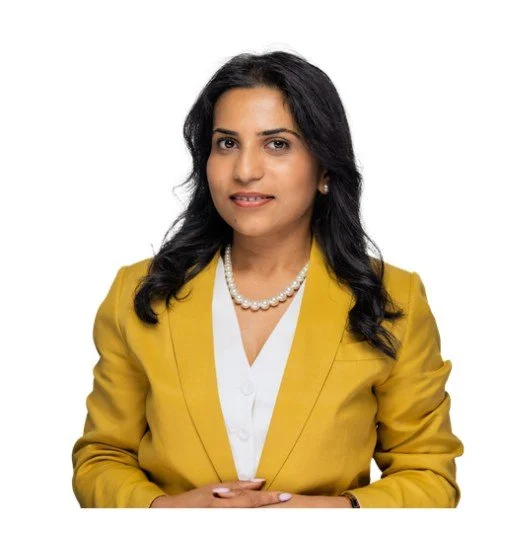
![Misha Mittal]()
Misha Mittal
Senior Manager-City Advisory, Expo City Dubai / UAE Country Chair - Smart & Sustainable Cities, G100 Mission, Member of ESG Property & Construction Task Force Committee under MEBAS, UAE
“Cities are adopting digital tools, nature-based solutions, and low-carbon innovations to cut emissions and build resilience, but global standards only create impact when people and institutions work together. Future frameworks must measure what truly sustains urban life—nature, community, and wellbeing. In the MENA region, extreme heat, water scarcity, and rapid growth demand integrated, context-specific planning that links water, energy, cooling, and mobility systems. Updating codes, strengthening institutions, and enabling circular models are now essential. Smart solutions can only succeed when communities understand and adopt them. Ultimately, resilient cities depend on collaboration, innovation, and people-centered development.”
-
![Amal Hajjam]()
Amal Hajjam
Mobility & Infrastructure Strategist, UAE
“Cities worldwide are reducing emissions and improving mobility by treating transport, energy, and data systems as integrated ecosystems. Successful models combine unified governance, modular low-carbon mobility, and smart technologies such as IoT, AI, and smart grids to cut congestion, improve efficiency, and lower costs for residents. Global sustainability progress depends on shared data standards, cross-border cooperation, and regulatory sandboxes that accelerate innovation. In the MENA region, rapid growth, water scarcity, and extreme heat require context-specific, scalable solutions—from district cooling and AI-enabled energy optimisation to data-driven water management. Startups, tech firms, and developers are central to shaping these systems, but impact is maximized when governments and the private sector collaborate through outcome-based, transparent, digitally connected frameworks.”
-
![Swarna Das]()
Swarna Das
LEED AP, Sustainability Consultant, Farnek Services, LLC, UAE
“Cities worldwide are reducing emissions and improving efficiency by integrating technology, nature-based solutions, and data-driven management. District heating, AI-driven energy optimisation, electrified transport, and urban greening are creating low-carbon, resilient, and healthier urban environments. IoT, smart grids, and predictive maintenance make sustainability affordable and actionable, enabling modular deployments and gradual scaling. In MENA, smart solutions address water scarcity, extreme heat, and rapid population growth through digital monitoring, district cooling, passive design, and scenario modelling. Government-private collaboration, clear regulations, green finance, and PPP frameworks combined with private-sector innovation allow cities to deliver climate-resilient, scalable, and context-specific urban development.”